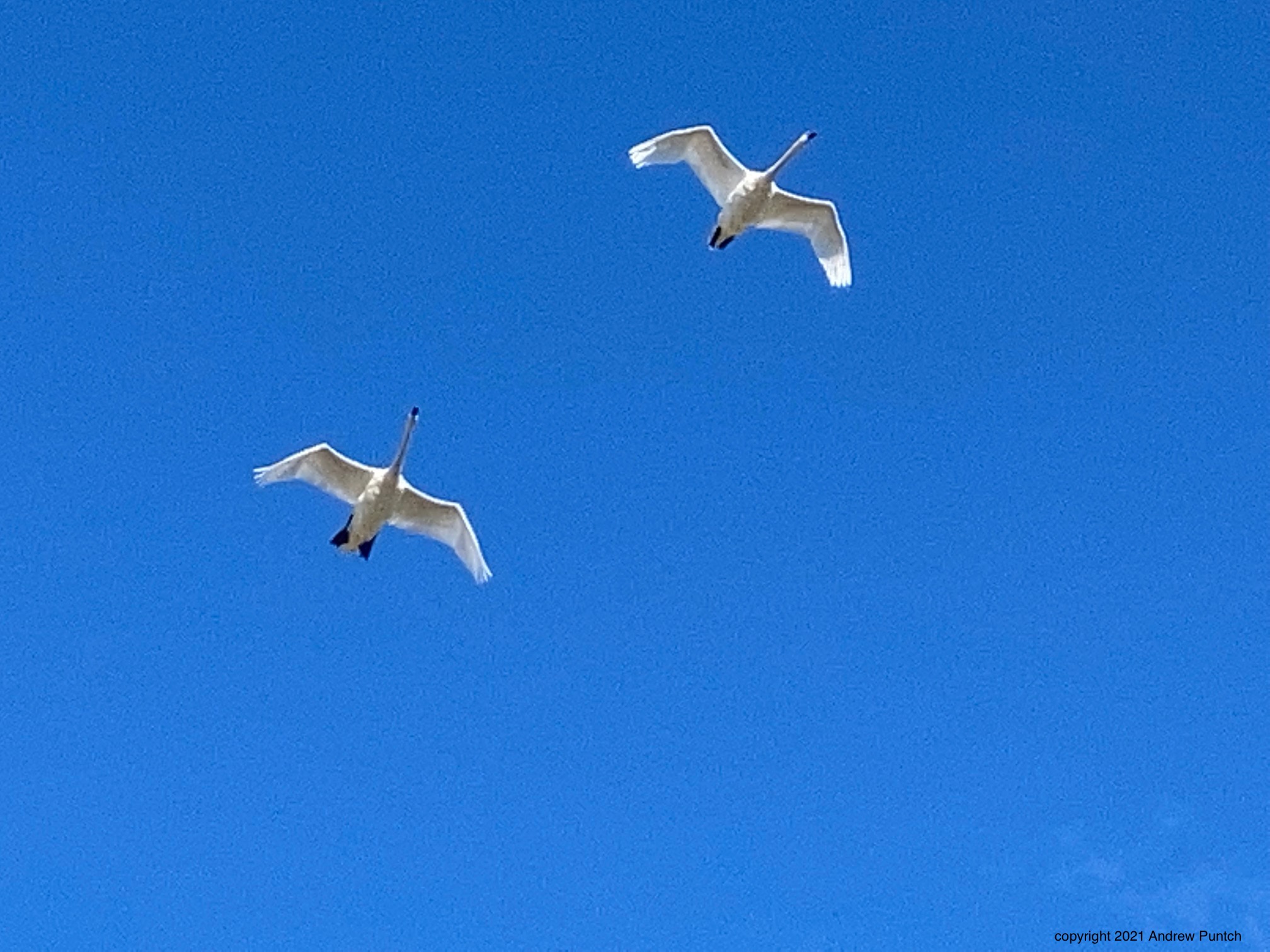
Mute Swans

I understand that the Mute Swan is an introduced species and can be aggressive about evicting native species. Granting that, they are lovely to watch in flight. This pair was exercising their wings and encouraging their four fledglings to do the same.
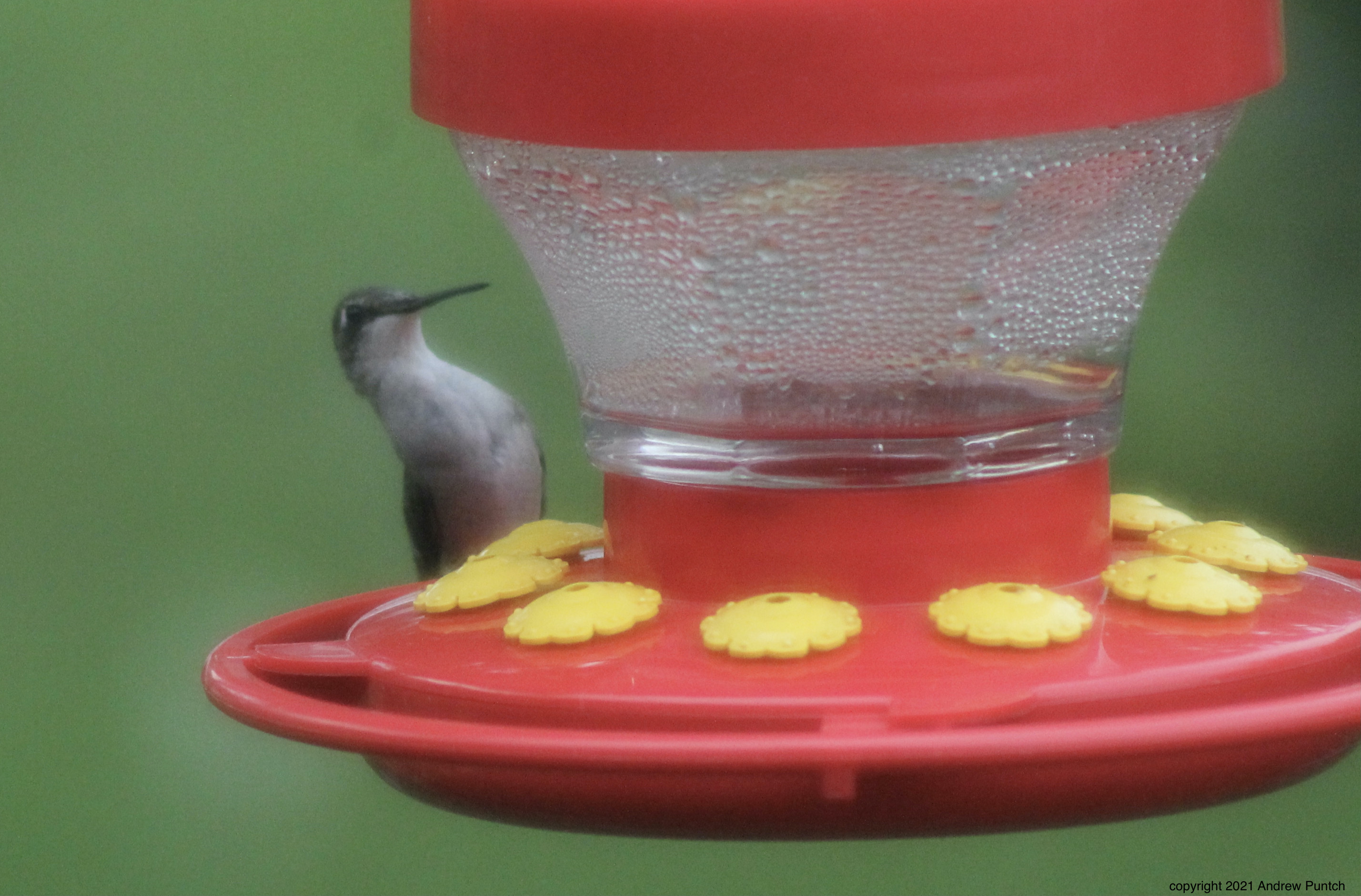
Hummingbird.

This hummingbird (almost certainly a Ruby-Throated, do not know if it is a female or an immature one) visits this feeder outside our kitchen window many times daily. I was about 3 meters away and shooting through the window screen with my 75-300mm lens at maximum zoom.

This close.

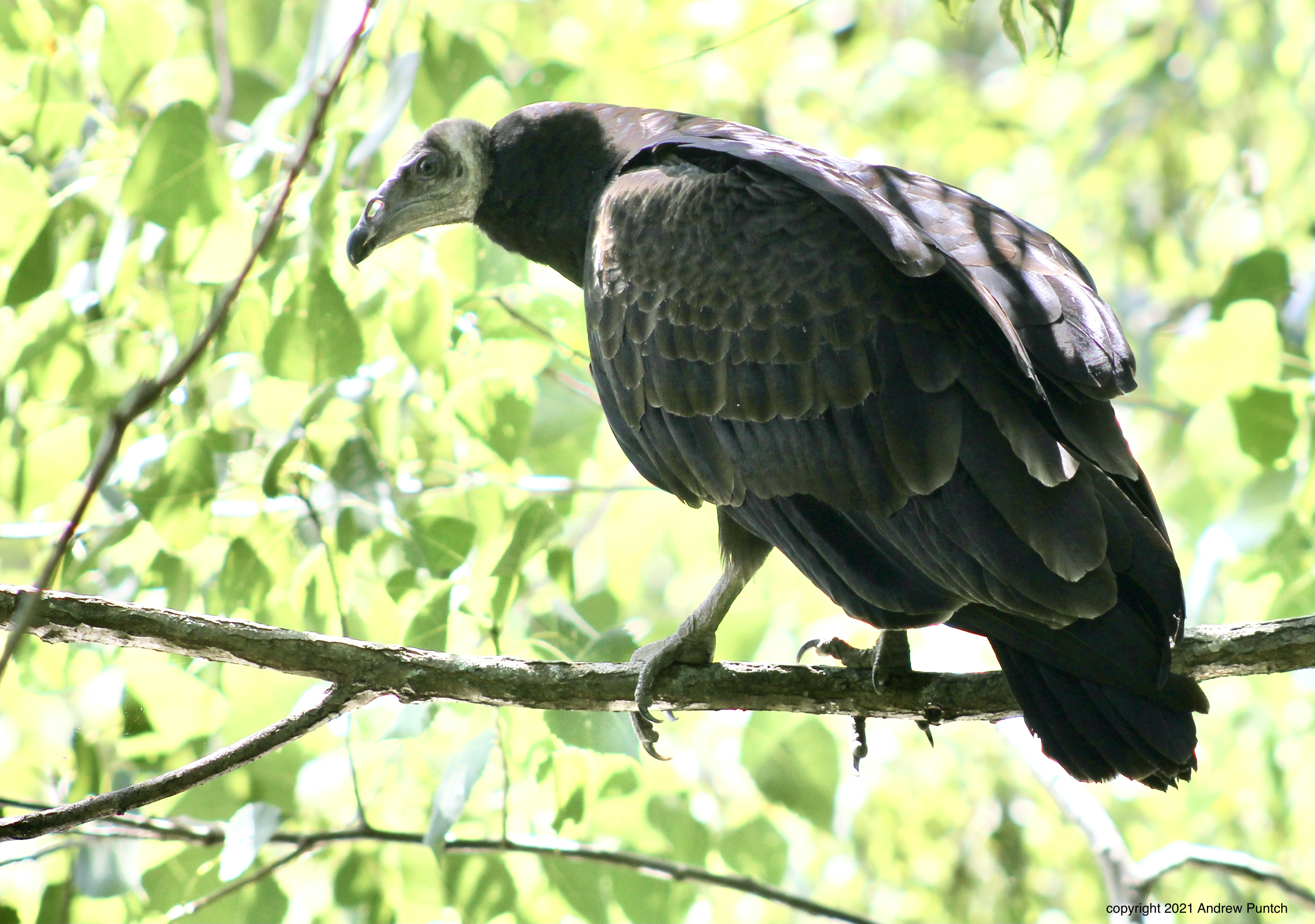
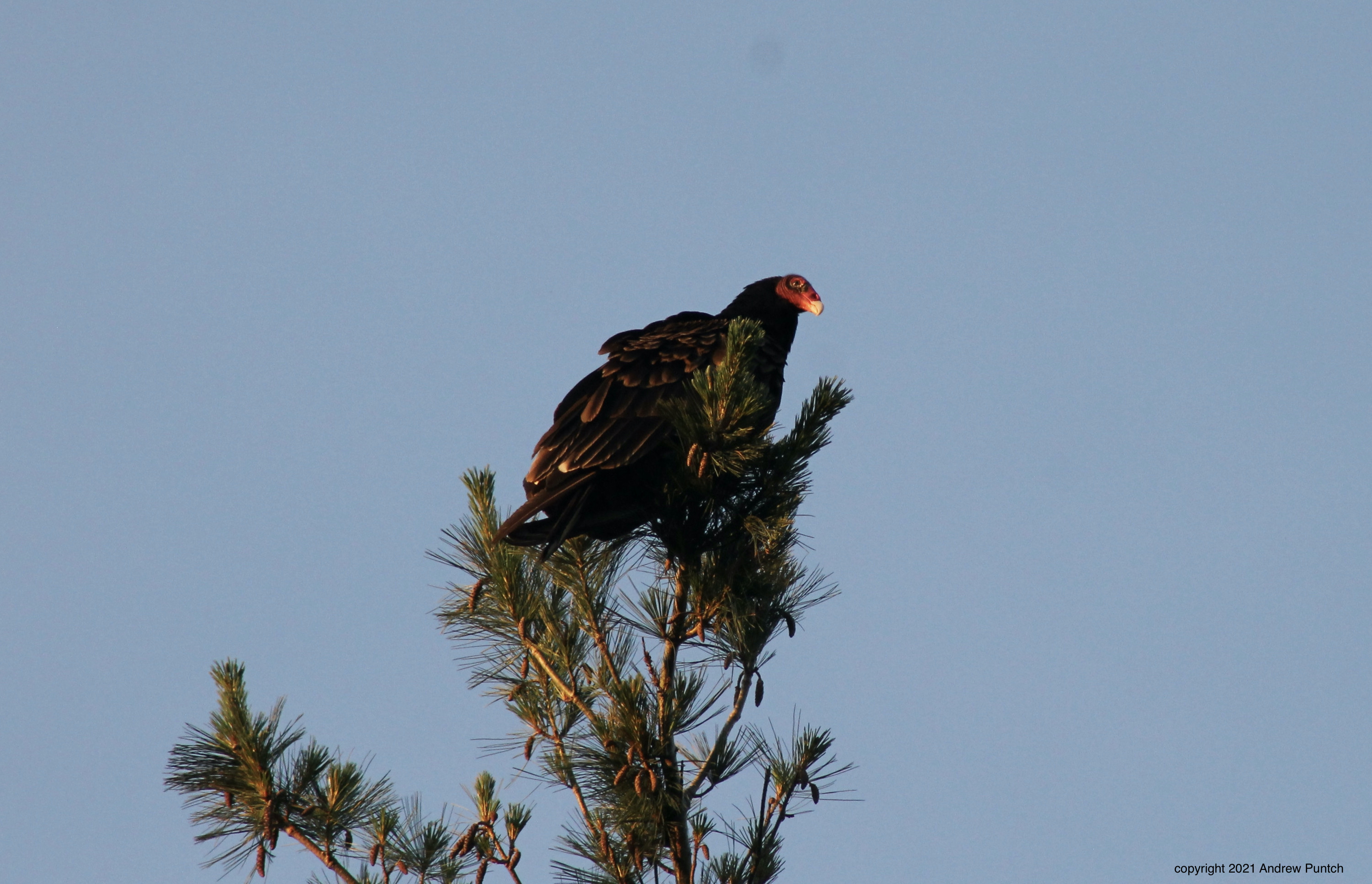
Faye and I took a nature walk and were very surprised that this immature Turkey Vulture allowed us to get this close, within about 5 meters, before it flew away.

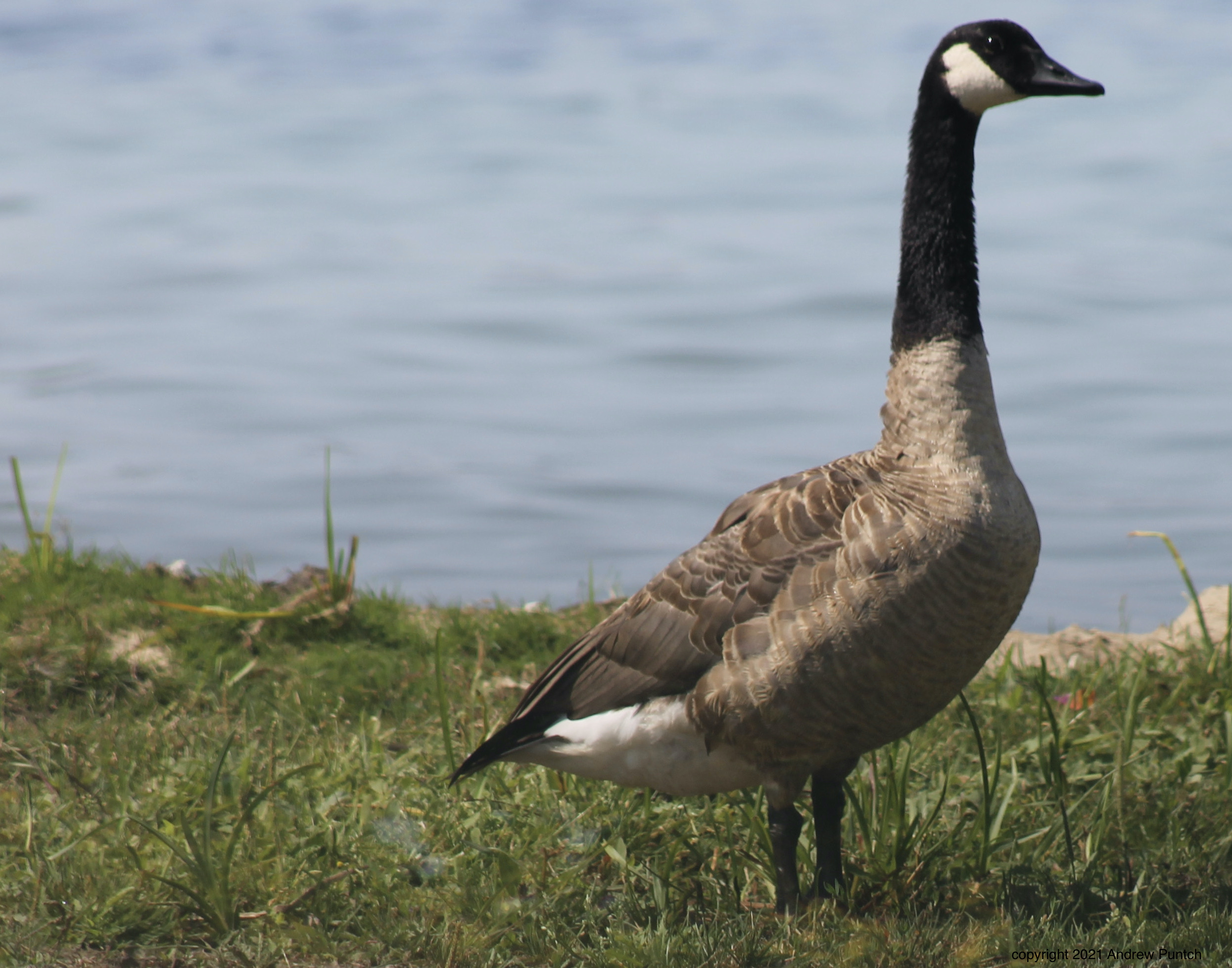
Stood guard.

This Canada Goose stood guard while the flock grazed.

Gleaned.

These Downy Woodpeckers gleaned every last reachable bit from the feeder before I could refill it.

Swanlings

I understand that the correct word for young swans is cygnets. Nonetheless, since young ducks are called ducklings and young geese are called goslings, I often think of young swans as swanlings.

Here are four Mute Swan swanlings with their parents. It is interesting that three of them are grey morphs. It was also interesting that they did not move away when a companion and I appeared from behind a screen of phragmites.

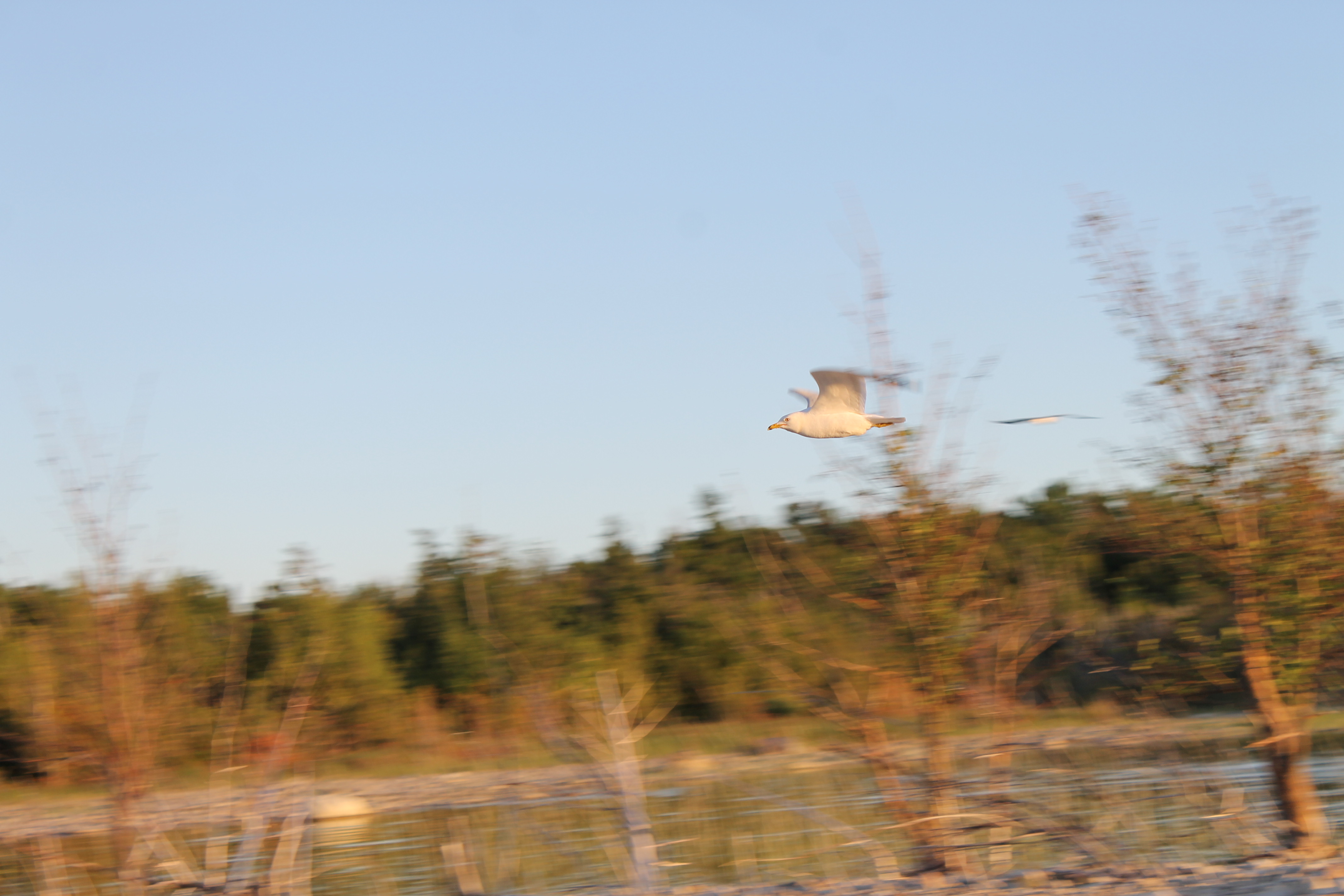
Captured.

I captured the seagull shortly before sunset as it made a low level pass nearby.

It was very interesting to watch a number of seagulls, during this evening outing, obviously feed on flying insects. They craned their necks up, down, sideways, altered their flight pattern in order to snatch food. We had never observed this behaviour.

Attractively highlighted.

Illuminated by early morning sunlight, this Turkey Vulture’s feathers were most attractively highlighted.

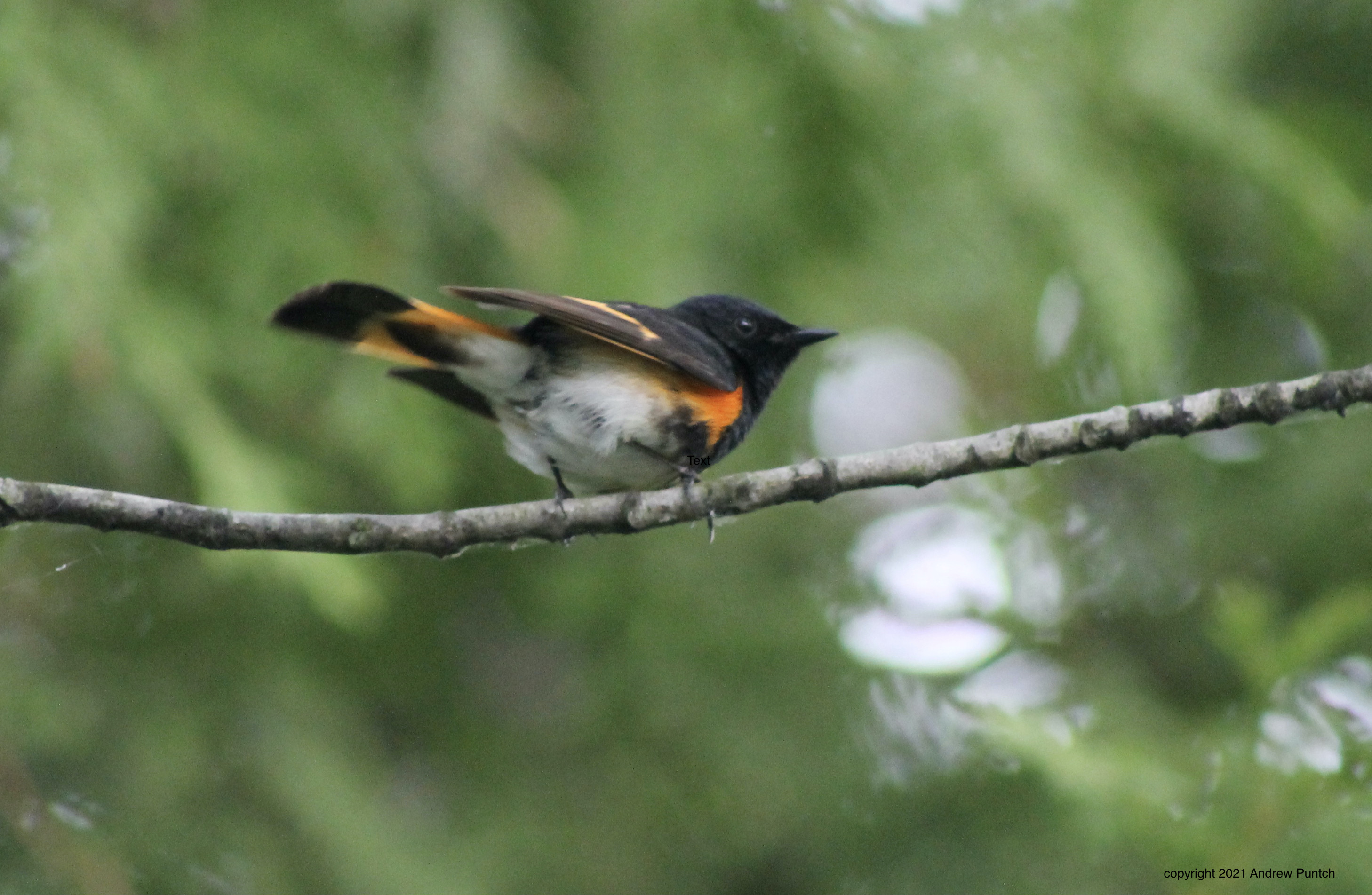
American Redstart.

Capturing this attractive bird in my viewfinder was one struggle. Identifying it was a bit of another struggle. I had never seen an American Redstart before.